
Introduction
A tour guide’s role is much more than sharing facts—it is about creating an experience. While knowledge is important, it is the delivery that makes it memorable. A flat explanation can make even the most fascinating landmark feel dull. In contrast, a lively, engaging voice can make the smallest detail come alive. This is why communication sits at the heart of guiding—it transforms information into connection.
Why Communication Defines the Tour Experience
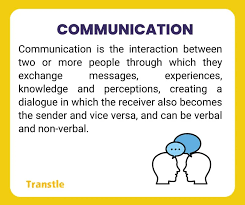
Communication is the foundation of every successful tour. The sites may remain the same, but the way they are described changes the experience. Guests rely on a guide’s voice not only for knowledge but also for entertainment and emotional connection. A well-spoken guide makes visitors feel like explorers, not just tourists. Without strong communication, even the best destinations can feel empty.
Tone and Emotion Creating the Right Atmosphere
Tone is the emotional color of your words. A cheerful tone creates excitement, while a respectful one brings a sense of reverence at sacred sites. Shifting tone allows guides to match the environment, whether joyful, solemn, or adventurous. Emotion in your voice shapes how the group feels in the moment. A skilled guide knows that tone is not just heard—it is felt.
Clarity and Pace Ensuring Everyone Follows Along

Clarity ensures that every guest, including non-native speakers, can understand the message. A guide who rushes may lose the audience, while one who drags may bore them. A balanced pace keeps everyone engaged without feeling pressured. Pausing after important points allows time for reflection. Communication becomes effective when words are both clear and comfortably delivered.
Storytelling Turning Information into Adventure
Facts become meaningful when they are placed inside stories. Instead of reciting dates, a guide can describe the emotions of the people who lived them. Storytelling makes guests imagine themselves in history—walking streets, hearing sounds, or feeling the tension of an old battle. Stories bring personality to places that might otherwise feel lifeless. A powerful story turns a simple fact into a lifelong memory.
Building Trust and Connection with Your Voice
Guests often begin a tour as strangers, uncertain of what to expect. A calm, confident voice immediately creates trust. Warmth in your tone reassures people and makes them feel welcome. When visitors trust their guide, they are more open to asking questions and engaging. Trust builds a bridge between the guide and the group, making the journey more personal and enjoyable.
Adapting Your Voice for Different Audiences
No two tour groups are the same, so flexibility is essential. A group of schoolchildren will respond best to lively and playful tones, while scholars may prefer precise explanations. Families may enjoy humor, while international visitors may need slower and simpler speech. A skilled guide adapts not only content but also vocal delivery to suit each audience. This adaptability ensures inclusivity and engagement.
Using Humor Wisely to Engage Guests

Humor is a great way to bring energy into a group, but it must be applied thoughtfully. Lighthearted jokes can break the ice and bond people together. However, humor should never be offensive or culturally insensitive. Self-deprecating humor often works well because it feels safe and relatable. When used carefully, humor doesn’t just entertain—it connects.
Handling Challenges Through Clear Communication
Every tour comes with challenges—delays, noise, or sudden changes in schedule. A guide’s voice has the power to calm or frustrate the group depending on how issues are communicated. Clear, reassuring words help guests feel safe and cared for. A positive voice can turn a problem into a shared adventure. Strong communication keeps the group motivated even when things go wrong.
Non Verbal Signals That Support Your Voice

Communication is more than words—it includes body language. A welcoming smile creates warmth, while gestures help emphasize points. Eye contact shows sincerity and makes guests feel acknowledged. Posture and movement can also express confidence and leadership. When non-verbal cues align with your voice, your message becomes stronger and more engaging.
The Role of Active Listening in Guiding
Communication is a two-way street. A guide who listens carefully to guest questions and comments shows respect. Active listening creates dialogue, transforming a lecture into a conversation. It also allows guides to adapt based on group interests or needs. Guests feel valued when their voices are heard. Listening is just as powerful as speaking in creating a memorable tour.
Practicing and Caring for Your Voice
A guide’s voice is like a musician’s instrument—it requires care. Hydration keeps it smooth, while breathing techniques prevent strain. Vocal warm-ups before tours prepare the voice for long use. Rest and recovery are equally important, especially after full days of speaking. A healthy voice ensures that every word is delivered with energy and clarity.
The Lasting Impact of a Tour Guide’s Communication
Visitors often forget numbers and statistics, but they remember how the guide made them feel. A passionate voice leaves an impression that lasts beyond the trip. Emotions tied to communication—whether laughter, awe, or reflection—become cherished memories. Words fade, but the feelings created by a guide’s voice live on in the minds of travelers.
Encouraging Participation Through Your Voice
Engagement grows when guests are invited to join the experience. A guide can ask questions, encourage observations, or invite personal reflections. A welcoming voice makes people comfortable enough to share. Participation creates a sense of community within the group. When guests contribute, they feel part of the story rather than passive observers.
Balancing Authority and Friendliness

A tour guide must be both a leader and a companion. Authority ensures safety, especially in busy or risky environments. Friendliness, however, makes the guide approachable and relatable. The voice is the tool that balances both roles—firm when needed, gentle at other times. Mastering this balance keeps order without losing warmth.
Cultural Sensitivity in Communication
Tourists often come from diverse cultures with different values. Cultural sensitivity in speech avoids slang, stereotypes, or humor that might offend. Using respectful, inclusive language makes every guest feel comfortable. A culturally aware guide shows professionalism and empathy. The voice becomes a bridge that unites differences instead of highlighting them.
Using Your Voice to Manage Group Dynamics
Different group sizes and personalities require different communication strategies. Large groups demand projection and authority to keep order. Small groups, on the other hand, allow for a conversational and intimate tone. A skilled guide adjusts vocal style to manage dynamics effectively. This adaptability keeps groups attentive and cooperative.
Technology and Voice and Microphones and Virtual Tours
Modern guiding often includes technology—microphones, headsets, or virtual platforms. While these tools help reach more people, they cannot replace warmth or passion in the voice. Technology should enhance, not overshadow, human connection. A guide’s voice must still carry emotion, even through digital channels.
Emotional Intelligence in Guiding

Emotional intelligence allows guides to sense the group’s mood. A tired group may need a softer, calmer tone. An excited group may respond best to high energy. Adjusting the voice according to emotional cues creates harmony. Emotionally aware communication makes guests feel understood.
Creating Memorable First Impressions
The first words of a tour set the stage for the entire experience. A strong, welcoming introduction captures attention and builds trust immediately. Enthusiasm in the opening creates excitement, while clarity sets expectations. Guests quickly decide whether they will connect with a guide. A powerful first impression ensures they are ready to listen and learn.
Voice as a Tool for Safety and Instruction
A guide’s voice is also a safety tool. In crowded areas or challenging environments, firm, clear instructions prevent accidents. The tone of authority reassures guests that they are in good hands. Safety communication requires precision—short, direct sentences delivered with confidence. Guests rely on the guide’s voice for guidance and protection.
Adapting to Unexpected Situations with Calm Speech
Unexpected events rainstorms, closures, or disruptions are common in tours. A panicked voice spreads fear, but a calm one maintains order. Reassuring words keep guests positive even in challenging circumstances. A guide’s steady tone transforms obstacles into manageable parts of the adventure. Calm communication is leadership in action.
The Link Between Passion and Vocal Energy
Passion cannot be faked it is always heard in the voice. Guests are drawn to guides who speak with enthusiasm and love for their subject. Vocal energy inspires curiosity and excitement. When a guide is genuinely passionate, visitors feel it too. Passionate communication makes the experience unforgettable.
Continuous Improvement Training Your Communication Skills

Communication is a skill that can always improve. Guides can record themselves, take public speaking courses, or practice with peers. Feedback helps refine tone, pace, and delivery. Like any craft, the voice becomes stronger with training. Ongoing improvement ensures that guides continue to grow and inspire
Table of Contents
Conclusion
Introduction
Why Communication Defines the Tour Experience
Tone and Emotion: Creating the Right Atmosphere
Clarity and Pace: Ensuring Everyone Follows Along
Storytelling: Turning Information into Adventure
Building Trust and Connection with Your Voice
Adapting Your Voice for Different Audiences
Using Humor Wisely to Engage Guests
Handling Challenges Through Clear Communication
Non-Verbal Signals That Support Your Voice
The Role of Active Listening in Guiding
Practicing and Caring for Your Voice
The Lasting Impact of a Tour Guide’s Communication
Encouraging Participation Through Your Voice
Balancing Authority and Friendliness
Cultural Sensitivity in Communication
Using Your Voice to Manage Group Dynamics
Technology and Voice: Microphones & Virtual Tours
Emotional Intelligence in Guiding
Creating Memorable First Impressions
Voice as a Tool for Safety and Instruction
Adapting to Unexpected Situations with Calm Speech
The Link Between Passion and Vocal Energy
Continuous Improvement: Training Your Communication Skills
Conclusion
A tour guide’s voice is not just a sound it is the spirit of the journey. Through storytelling, tone, clarity, and empathy, communication transforms facts into feelings and strangers into companions. The voice is what makes a tour memorable long after it ends. For every guide, the most powerful tool is not what they know, but how they share it.